
Play-to-Earn Crypto Games: Complete Guide to P2E Gaming in 2026




Video gaming has evolved far beyond entertainment. The rise of play-to-earn crypto games has created a new economic model where players earn real-world value from their in-game achievements. Unlike traditional gaming where hours of play yield only virtual satisfaction, P2E gaming rewards skill, strategy, and time with cryptocurrency and NFTs that hold genuine monetary worth.
This shift represents one of the most significant developments in both the gaming and cryptocurrency industries. Crypto play-to-earn platforms now attract millions of players globally, many of whom supplement their income through gaming. Whether you are a seasoned gamer or new to blockchain, understanding the play-to-earn ecosystem is essential for anyone interested in the future of digital entertainment and decentralized finance.

Key Takeaways
- Play-to-earn games reward players with crypto assets that have real-world value
- Players gain true ownership of in-game items through blockchain technology
- Popular P2E games include Axie Infinity, The Sandbox, and Gala Games
- GameFi combines DeFi with gaming for additional earning opportunities
- Starting requires a crypto wallet, some initial tokens, and choosing the right game
What Are Play-to-Earn Crypto Games?
Play-to-earn crypto games are blockchain-based video games that distribute cryptocurrency and NFT rewards to players for completing tasks, winning battles, or achieving milestones. Unlike traditional games where progress is locked within a closed ecosystem, P2E games allow players to convert their digital earnings into real money through crypto exchanges.
The core innovation behind crypto play-to-earn lies in blockchain's ability to verify ownership. Every item, character, or currency earned exists on a decentralized ledger, meaning the player—not the game publisher—controls the asset. This removes the arbitrary restrictions of traditional gaming economies where developers could alter or delete virtual possessions.
How Do Play-to-Earn Crypto Games Work?
Most play-to-earn crypto games are built on Layer 1 blockchains such as Ethereum, Solana, or BNB Chain. These networks provide the infrastructure for tokenizing game assets and recording transactions transparently.
The typical P2E model works as follows:
- Earning tokens: Players complete quests, win battles, or achieve rankings to receive native game tokens
- Collecting NFTs: Rare items, characters, or land parcels are minted as NFTs that players can trade
- Trading on marketplaces: Players sell their earned assets on integrated or third-party platforms
- Converting to fiat: Game tokens can be exchanged for stablecoins or fiat currency via supported platforms
Importantly, play-to-earn shifts the power dynamic from game studios to players. When a player earns a rare sword or character in Axie Infinity, that asset belongs to them permanently. They can sell it, hold it, or even lend it to other players through GameFi rental platforms.
Why Play-to-Earn Gaming Is Growing Rapidly
Several factors drive the adoption of crypto play-to-earn models. The primary appeal is the ability to generate real income from gameplay. Many players in developing economies have turned P2E gaming into a primary or supplementary income source, earning more through gaming than local minimum wage jobs.
Beyond financial incentives, play-to-earn crypto games offer communities where players collaborate, compete, and share strategies. These social dimensions create loyalty and engagement that traditional games often struggle to replicate.
Finally, true asset ownership resonates with gamers who have invested thousands of hours into traditional titles only to lose everything when servers shut down. Play-to-earn ensures that time and effort retain value regardless of the game's longevity.
Top Play-to-Earn Crypto Games to Explore
The play-to-earn ecosystem includes hundreds of games across various genres. Here are some of the most established titles:
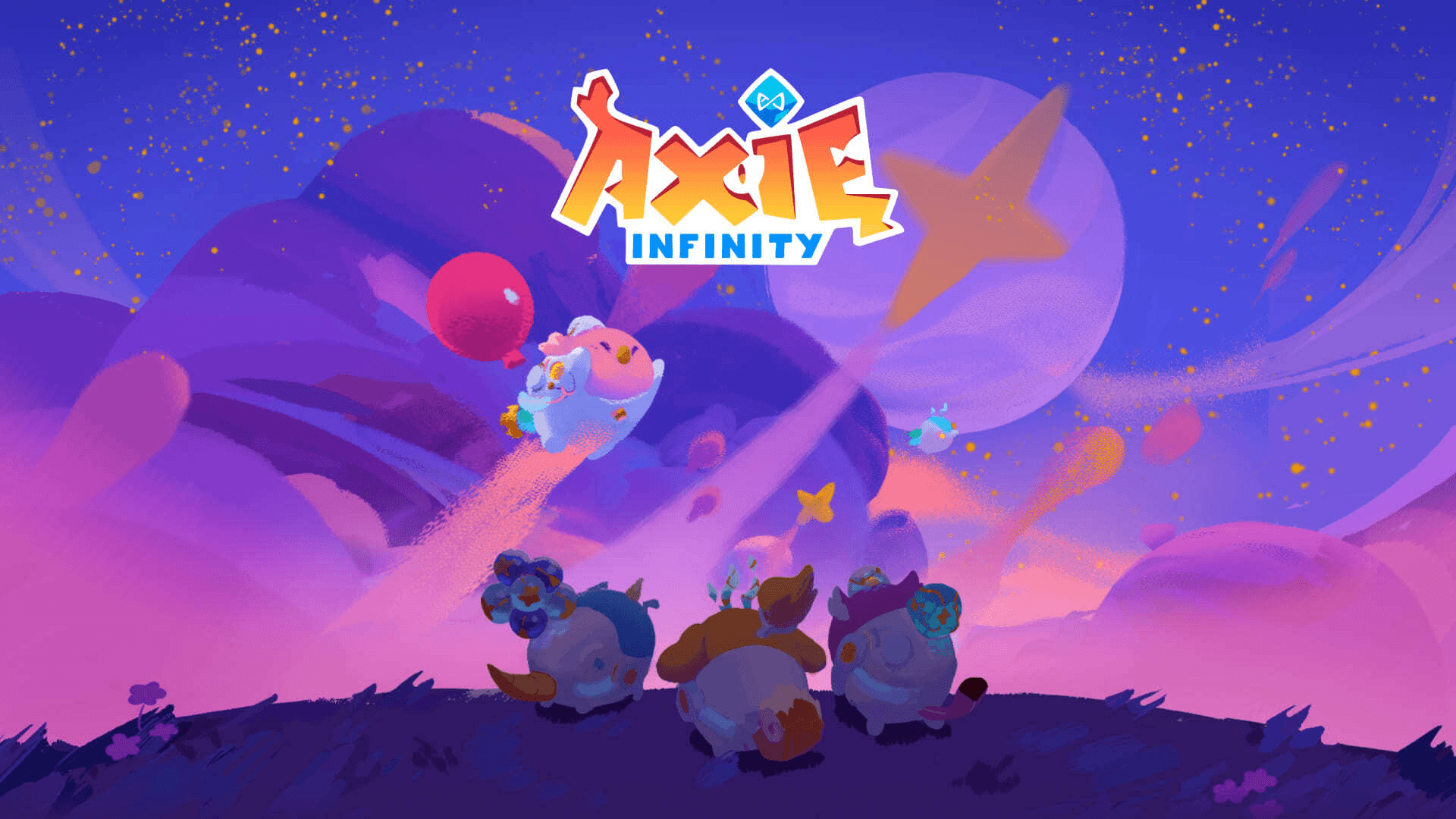
Axie Infinity remains the most recognized P2E game, combining Pokémon-style creature collection with battle mechanics. Players earn Smooth Love Potion (SLP) through victories and can breed rare Axies for additional value. The game's governance token, AXS, allows holders to vote on development decisions.
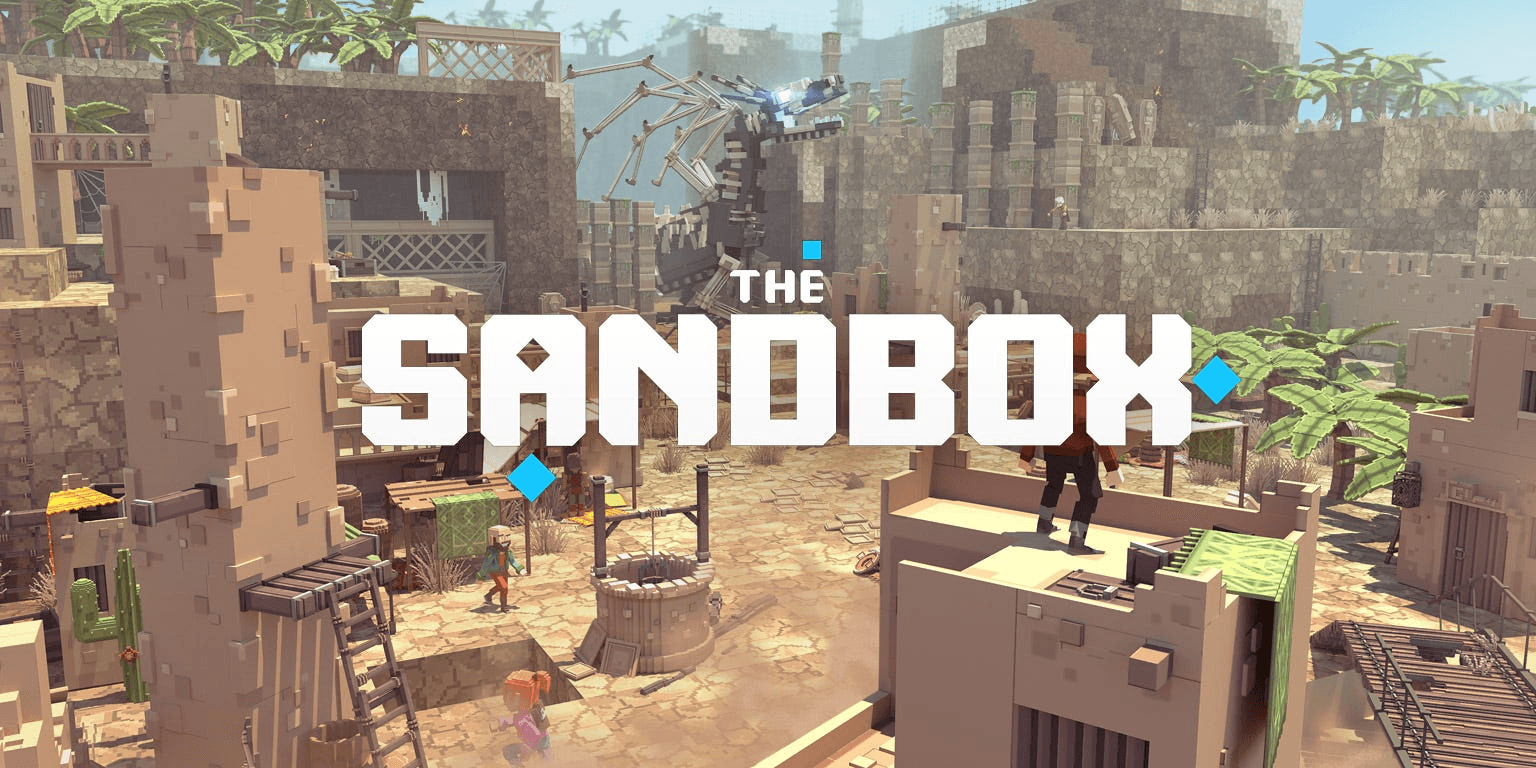
The Sandbox operates as a virtual metaverse where players build, create, and monetize interactive experiences. Users purchase virtual land, design games, and earn SAND tokens through participation. The platform's creator economy has attracted major brand partnerships and a thriving community of digital artists.
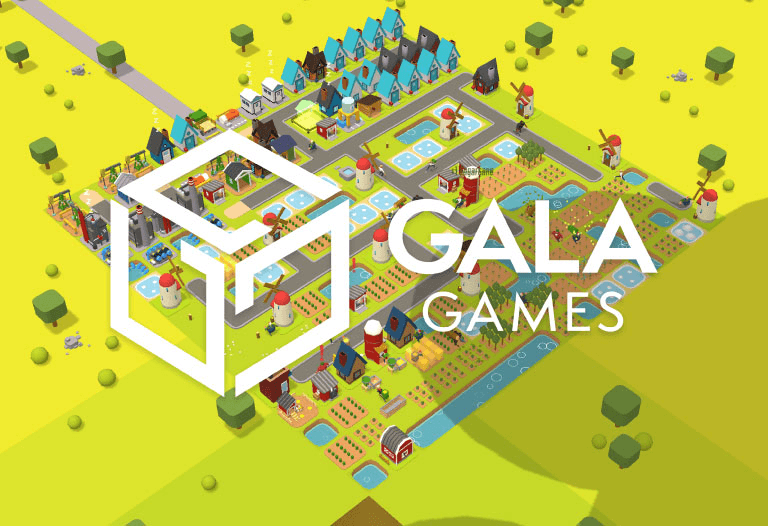
Gala Games offers a diverse portfolio of titles including TownStar and Mirandus. Players earn GALA tokens by playing, completing tasks, and contributing to the ecosystem. The platform emphasizes decentralization, with node operators helping secure the network while earning rewards.
Star Atlas delivers a space-themed MMO where players explore, mine, trade, and engage in combat. The game features dual-token mechanics with ATLAS for in-game transactions and POLIS for governance.

GameFi: Where DeFi Meets Play-to-Earn
GameFi, short for Game Finance, represents the intersection of decentralized finance and play-to-earn crypto games. This integration adds financial layers beyond simple earning and spending.
Through GameFi mechanisms, players can stake their game tokens to earn yields, participate in liquidity pools, or lend their NFTs to other players. For example, platforms like reNFT enable smart contract-based rental agreements where NFT owners can lease their assets to players who cannot afford expensive entry costs. The lender earns rental fees while the borrower gains access to premium content without full investment.
Governance tokens add another dimension. Many P2E projects allocate voting rights to token holders, allowing the community to shape game development, tokenomics, and feature prioritization. This decentralization aligns incentives between developers and players, fostering long-term ecosystem health.
How to Get Started with Crypto Play-to-Earn
Entering the world of play-to-earn requires preparation and research. The first step is choosing a game that matches your interests and budget. Some games require purchasing starter NFTs, while others are free to play with optional upgrades. Assess gameplay mechanics, community size, and earning potential before committing.
Next, set up a compatible crypto wallet. Most P2E games operate on Ethereum, Solana, or BNB Chain, so choose a wallet like MetaMask or Phantom that supports your chosen network. Secure your recovery phrase and never share it with anyone.
Once your wallet is ready, acquire the necessary tokens for your chosen game. This might include purchasing a starter character, buying land, or simply having some native tokens for transaction fees. Use a reputable exchange to convert fiat currency to cryptocurrency and transfer funds to your wallet.
Finally, immerse yourself in the community. Join Discord servers, follow social media channels, and read guides from experienced players. The P2E community is generally supportive, and learning from others accelerates your progress significantly.
Common Criticisms and Challenges about Play-to-Earn Crypto Games
Despite its promise, play-to-earn crypto games face legitimate criticism. The most common concern is the "pay-to-win" dynamic, where wealthy players purchase powerful items rather than earning them through skill. This can create imbalances that discourage new or lower-budget players.
Another challenge is the sustainability of token economies. Many P2E tokens experience inflation as rewards are distributed faster than demand increases. Without careful design, token prices collapse, reducing earning potential and discouraging participation.
Finally, the environmental impact of blockchain gaming—particularly on proof-of-work networks—remains a concern. However, many projects are transitioning to proof-of-stake or layer 2 solutions to reduce energy consumption.
Conclusion: The Future of Play-to-Earn Crypto Games
Play-to-earn crypto games represent more than a trend; they signal a fundamental shift in how value is created and distributed in the gaming industry. By enabling true asset ownership and real-world earning potential, P2E has transformed gaming from a cost center into a revenue opportunity for millions worldwide.
As infrastructure improves and games become more sophisticated, the distinction between traditional and blockchain gaming will likely blur. What matters is the underlying principle: players deserve ownership over their time and achievements. Crypto play-to-earn delivers exactly that, and its growth shows no signs of slowing.
Whether you are seeking a new income stream, exploring blockchain technology, or simply love gaming, the P2E ecosystem offers something for everyone. The best time to start was yesterday; the second best time is now.
FAQ
1. What are play-to-earn crypto games?
Play-to-earn crypto games are blockchain-based games where players earn cryptocurrency and NFTs with real-world value through gameplay activities like winning battles and completing quests.
2. Can you really make money from play-to-earn games?
Yes, many players earn supplemental or primary income from P2E games. Earnings vary based on game popularity, token prices, and player skill, but the potential is real.
3. What is GameFi?
GameFi combines decentralized finance with play-to-earn gaming, offering features like NFT lending, staking, yield farming, and governance voting for additional earning opportunities.
4. Which play-to-earn game is the most popular?
Axie Infinity remains the most recognized P2E game, with millions of players and a mature token economy built around SLP and AXS tokens.
5. Is playing play-to-earn games risky?
Like any crypto activity, P2E involves risks including token price volatility, inflation, and potential scams.
Disclaimer: This content is provided for general informational and educational purposes only and should not be considered financial, investment, legal, or tax advice. Nothing in this article constitutes an offer, recommendation, solicitation, or invitation to buy, sell, or trade any crypto asset or use any specific service. Crypto assets are highly volatile and involve a high degree of risk. You may lose some or all of the value of your investment and should not invest funds you cannot afford to lose.WEEX services may not be available in all regions and are subject to applicable laws, regulations, and user eligibility requirements. Please carefully assess risks and confirm local requirements before making any financial decisions.
You may also like

How to Read Prediction Market Odds: A Complete Beginner's Guide
What Is Liquidity in Prediction Markets and Why Does It Matter?
How Accurate Are Prediction Markets? What the Research Actually Says
Is Polymarket Legal in the US? What the CFTC Approval Actually Means
Tokenization in Crypto vs Data Security: What Is Tokenization and How Both Protect Your Assets?
Can Crypto Copy Trading Really Make You Money? Is Copy Trading Legit or Scam? Full Guide to WEEX Copy Trading
How to Buy U.S. Stocks on WEEX: A Complete 2026 Guide to Trading with USDT
What Is TradFi? How Traditional Finance and Crypto Are Converging in 2026
WXT Token Total Supply: How WEEX Token Supply and Burns Work
WXT to USDT: A Beginner's Guide to Converting WEEX Token into USDT
What Is MetaMask? A Complete Guide to the World's Most Popular Web3 Wallet
How to Trade Presidential Election Betting Odds in 2026: The Complete Guide
What Is the US Election Prediction Market? How to Trade on Trump Odds in 2026
Top 4 Altcoins to Buy in July 2026: Top Crypto Picks for Investors
Who Is Jensen Huang? Nvidia CEO's Net Worth, Biography & NVDA Stock Analysis 2026. Is NVDA Stock a Good Buy Right Now?
Prediction Market Regulation: Polymarket, Kalshi and Future Trends
Polymarket vs Kalshi: The Future of Prediction Markets Explained
Polymarket vs Kalshi: The Future of Prediction Markets Explained
How to Read Prediction Market Odds: A Complete Beginner's Guide
What Is Liquidity in Prediction Markets and Why Does It Matter?
How Accurate Are Prediction Markets? What the Research Actually Says
Is Polymarket Legal in the US? What the CFTC Approval Actually Means
Tokenization in Crypto vs Data Security: What Is Tokenization and How Both Protect Your Assets?
Can Crypto Copy Trading Really Make You Money? Is Copy Trading Legit or Scam? Full Guide to WEEX Copy Trading
Contents
Popular coins


