
What is Crypto Crash? Causes, Survival Strategies, and Recovery Tips

In 2025, the cryptocurrency market continues its wild ride, with highs that excite and crashes that shake even seasoned investors. A crypto crash—a sudden, severe drop in the value of digital assets like Bitcoin or WXT Token—can wipe out billions within hours. Whether you’re buying the dip or wondering where to buy WXT Token safely, this guide unpacks everything you need to know.
We’ll explore the causes of crypto crashes, proven survival strategies, key lessons from past market meltdowns, and expert insights on turning volatility into opportunity.
What is a Crypto Crash? Definition and Historical Context
A crypto crash is a sudden, severe drop in the value of cryptocurrencies, often wiping out billions in market capitalization within days or even hours. Unlike traditional market corrections, which typically see declines of 10-20%, crypto crashes can plummet 50% or more due to the market’s inherent volatility. This volatility stems from cryptocurrencies’ decentralized nature, speculative trading, and sensitivity to external triggers.
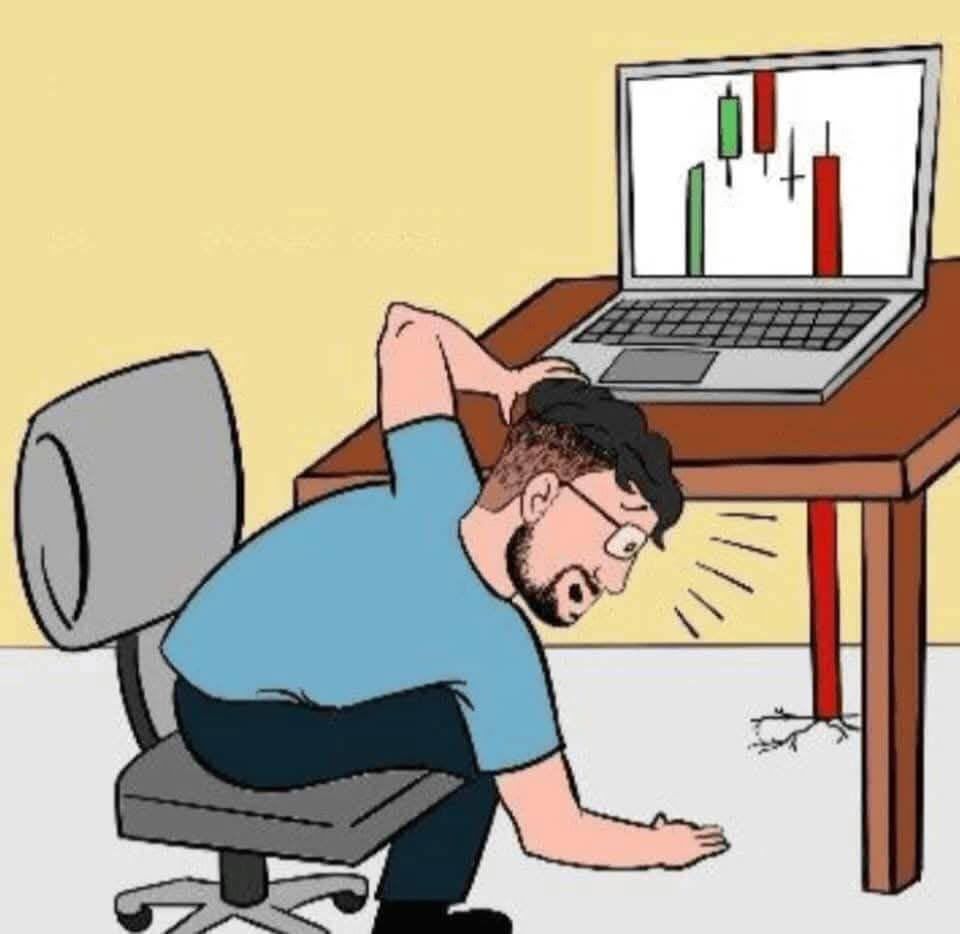
Historically, crypto crashes have marked pivotal moments in the market:
- 2018 Bear Market: Bitcoin fell 80% from its $20,000 peak, driven by the ICO bubble burst and regulatory fears.
- 2020 COVID Crash: A sharp drop in March 2020 saw Bitcoin plummet to $4,000, followed by a rapid recovery fueled by DeFi growth.
- 2022 Terra-LUNA Collapse: The algorithmic stablecoin’s failure erased $40 billion, shaking investor confidence.
- 2023 FTX Fallout: The bankruptcy of FTX triggered a market-wide panic, exposing centralized exchange risks.
These events highlight the crypto market’s susceptibility to rapid declines, making it essential to understand what causes a crypto crash.
Why Do Crypto Crashes Happen? 5 Key Triggers
Crypto crashes are rarely caused by a single factor. Here are five primary triggers driving these dramatic downturns:
Market Sentiment & FOMO/FUD Cycles
Speculative hype and fear of missing out (FOMO) often inflate prices, creating bubbles. When negative news or fear, uncertainty, and doubt (FUD) take over, panic selling follows. Social media platforms amplify these cycles, with influencers and news cycles swaying sentiment.
Regulatory Crackdowns
Government policies can destabilize markets. For example, China’s repeated crypto bans and SEC lawsuits against exchanges like Binance have triggered sharp declines. Regulatory uncertainty deters investors, while sudden announcements spark sell-offs.
Exchange Failures & Hacks
High-profile hacks, like the 2014 Mt. Gox breach (losing 850,000 BTC), or exchange failures, like FTX’s collapse, erode trust. These events lead to mass liquidations and market-wide panic.
Overleveraged Trading
Many traders use high leverage, borrowing funds to amplify gains. When prices drop, margin calls force liquidations, creating a cascade effect that drives prices lower. In 2021, overleveraged positions contributed to a 50% Bitcoin crash.
Macroeconomic Factors
Cryptocurrencies, especially Bitcoin, increasingly correlate with stock markets. Rising inflation, interest rate hikes, or global economic uncertainty push investors toward safe-haven assets, triggering crypto sell-offs.

How to Survive a Crypto Crash: 7 Strategies for Investors
Surviving a crypto crash demands a disciplined approach to risk management and emotional resilience. Instead of panic selling, investors should maintain a long-term perspective, focusing on projects with strong fundamentals, like Ethereum’s smart contracts or Chainlink’s oracles. Spreading investments across diverse assets, including stablecoins like USDT or USDC, reduces exposure to volatility. Setting predefined sell points through stop-loss orders can limit losses during sudden drops, while regularly investing fixed amounts—known as dollar-cost averaging—helps smooth out market swings. Staying informed about regulatory shifts and market indicators, such as the Fear & Greed Index, allows for proactive decisions. Above all, avoiding emotional trades driven by fear or hype ensures alignment with a well-thought-out plan, preserving capital through turbulent times.
Crypto Crash Case Studies: Lessons from Past Market Meltdowns
Past crypto crashes offer critical insights into market behavior and resilience. The 2018 bear market, triggered by the ICO bubble’s burst and regulatory fears, saw Bitcoin crash 80% from its peak, exposing the dangers of speculative investments. The 2020 COVID crash sent prices tumbling as global markets panicked, yet a swift recovery fueled by DeFi growth highlighted the market’s potential for quick rebounds. In 2022, the Terra-LUNA collapse, where an algorithmic stablecoin failed, erased billions and underscored risks in untested protocols. Similarly, the 2023 FTX bankruptcy revealed vulnerabilities in centralized exchanges, pushing investors toward self-custody. These events emphasize the importance of researching fundamentals and diversifying to mitigate risks in future downturns.
Post-Crash Recovery: How Markets Bounce Back
Crypto markets have a history of rebounding after crashes. Bitcoin recovered from its 2018 low of $3,200 to hit $69,000 by 2021. Recovery often follows:
- Increased Trading Volume: Rising activity signals renewed investor interest.
- Institutional Adoption: ETFs and corporate investments, like MicroStrategy’s Bitcoin holdings, stabilize markets.
- Regulatory Clarity: Clearer regulations attract cautious investors.
- Positive Sentiment: Social media and on-chain data reflect growing confidence.
Recoveries can take months or years, but historical trends suggest patience pays off.
Expert Tips to Prepare for the Next Crypto Crash
Preparation is key to navigating future crypto crashes with confidence. Experts recommend storing assets in cold wallets, like Ledger or Trezor, to avoid exchange-related risks, emphasizing the importance of self-custody. Monitoring tools such as Glassnode for on-chain activity or CoinGecko for price trends provides real-time insights into market health. Analysts stress discipline, urging investors to stick to a strategy rather than chasing hype or succumbing to panic. As crypto analyst Jane Doe notes, “Diversification and a clear exit plan are your best defenses against market chaos.” Cultivating emotional resilience through mindfulness and limiting exposure to negative news further equips investors to make rational decisions when the market turns turbulent.
Crypto Crash vs. Opportunity: Should You Buy the Dip?
Buying during a crypto crash can be a high-risk, high-reward move. Undervalued projects with strong fundamentals—think Ethereum or Polygon—often recover faster, offering opportunities for savvy investors. However, caution is critical: scams and “dead cat bounces,” where prices briefly rebound before falling further, can trap the unwary. Thorough research into a project’s on-chain activity, developer engagement, and community strength helps identify genuine opportunities. By balancing risks with potential rewards and avoiding impulsive moves, investors can turn a crash into a stepping stone for long-term gains, provided they approach with discipline and due diligence.
FAQ: Common Questions About Crypto Crashes
- What causes a crypto crash?
Crypto crashes are triggered by market speculation, regulatory changes, exchange failures, overleveraged trading, and macroeconomic factors like inflation or interest rate hikes.
- How long do crypto crashes last?
Crashes can last days to months, with recovery timelines varying. The 2018 bear market lasted nearly two years, while the 2020 COVID crash recovered in months.
- Should I sell my crypto during a crash?
Avoid panic selling. Assess your portfolio, stick to your strategy, and consider holding or buying if fundamentals remain strong.
- Which cryptocurrencies survive market crashes?
Established coins like Bitcoin and Ethereum, with strong fundamentals and adoption, tend to recover faster than speculative altcoins.
- Can crypto crashes be predicted?
While exact timing is impossible, monitoring market sentiment, regulatory news, and economic indicators can signal potential downturns.
Latest Updates on WEEX
WEEX Exchange’s WXT Token Surges 101%
If you want to buy WXT now, you can sign up for a WEEX account
WEEX Owen: Michael Owen Joins as Global Brand Ambassador
Championing a revolutionary crypto trading experience
You may also like

Futu Penalty Shock Exposes Brokerage Risk — Why WEEX TradFi Fits Traders Who Want Faster Global Market Access
Futu stock falls after China penalty news. Learn why FUTU shares dropped, how the latest crackdown affects traders, and why WEEX TradFi offers USDT-margined access to stocks, gold, oil, forex, and indices in one account.

Futu Gets Penalized and FUTU Stock Drops: Why Traders Are Turning to WEEX TradFi for Global Market Exposure
Futu stock drops after China crackdown and penalty news. Learn why FUTU shares fell, how the latest regulatory shock affects traders, and why WEEX TradFi offers USDT-margined global market exposure to stocks, gold, oil, forex, and indices.

Futu Stock Drops After China Crackdown: Why FUTU Shares Fell and What Investors Should Watch in 2026
Futu stock drops after China crackdown and penalty news. Learn why FUTU shares fell, what the latest regulatory action means, and whether Futu stock can recover in 2026.

What is BitClassic (B2C) Crypto? The Experimental hard fork of Bitcoin
What is BitClassic (B2C) crypto? Read our deep-dive BitClassic review to discover the mechanics, mining upgrades, and trading risks of this experimental Bitcoin hard fork.
Oil Crypto Price Prediction 2026: COAR vs USOR vs GDOR vs WCOR, Which Will Be the Highest Oil Crypto?
Oil crypto price prediction 2026: discover the highest oil crypto, current oil crypto rankings, COAR vs USOR vs GDOR vs WCOR, and the best oil crypto to watch now.

Is Rovetan (RVN) Crypto A Scam? Is It A Claude-Coded Fake Website?
Is Rovetan (RVN) crypto a scam? Read our definitive Rovetan exchange review to uncover the red flags of this Claude-coded fake website and protect your funds today.
Where Can I Buy Rovetan (RVN) Crypto? Is It Worth Buying Now?
Where can you buy Rovetan (RVN) crypto? See the latest Rovetan price, market cap, buying options, RVN ticker confusion, and whether Rovetan is worth buying now.
What is Rovetan (RVN) token and How Does It Work?Latest RVN Guide
What is Rovetan (RVN) token and how does it work? Learn the latest Rovetan price, tokenomics, utility, risks, and how to trade RVN on WEEX.

What Is $America250 Token? Huge Gains or Dangerous Meme Coin Scam?
Is the $America250 token a breakout opportunity or a dangerous Solana meme coin scam? Analyze the key on-chain risks, domain safety, and official claims.
GDOR Coin Explained: Price Surge, Oil Narrative, and Solana’s Global Digital Oil Reserve Token
GDOR (Global Digital Oil Reserve) is a Solana oil-themed narrative token. Learn what GDOR coin is, whether it is backed by oil, and key risks before trading.
COAR vs WCOR: How Two Oil Narrative Tokens on Solana Stack Up
COAR vs WCOR comparison: two oil-themed crypto tokens. Learn their differences, tokenomics, price predictions, risks, and which fits your risk profile.

ROAF vs COAR: Two Oil Narrative Tokens Compared on Solana
ROAF vs COAR comparison: two Solana-based oil narrative meme tokens. Learn differences in structure, risks, tokenomics, and market positioning.
What Is Modern American Gas Asset Crypto? MAGA Oil Narrative Explained
Modern American Gas Asset (MAGA) is a Solana meme coin using Trump-era branding and oil narrative. Learn how it works, risks, and the difference from real energy assets.

What Is Chinese Oil Asset Reserve (COAR)? Solana Oil Narrative Token Explained
Chinese Oil Asset Reserve (COAR) is an oil-themed Solana token, not a verified claim to real physical oil ownership
The contract address is CoARSp4P9Yr7MEnKMZE7chyAkK3mNbPFyArdQeMm9a1G
Total supply is 1 billion tokens with distribution including liquidity pool, community, team lock, reserves, and marketing
Stated utilities include staking (12% APY), governance (1 COAR = 1 vote), revenue share (30%), and 2% burn per transaction
Roadmap includes three phases from launch to institutional partnerships and real-world oil reserve verification

How to Buy Mom Trust Fund Reserve (MTFR): Legit Opportunity or High-Risk Trap?
Is MTFR Coin a legit opportunity or a high-risk trap? Read our Mom Trust Fund Reserve buying guide to analyze real on-chain data, liquidity, and key risks.
How to Buy COAR Crypto and When to Sell for Maximum Gains
Learn how to buy COAR Crypto safely on Solana. Read our expert guide on the speculative Chinese Oil Asset Reserve coin and discover strategic buy and sell points.

What Is Global Digital Oil Reserve (GDOR) Coin? Can It Really Explode Like GDER?
What is GDOR crypto? This guide explains its token data, missing fundamentals, and why it is unlikely to replicate explosive tokens like GDER.

What Is SAOS? Strategic American Oil Supply Token Explained
SAOS is a meme token on Solana with a 75,000 USD market cap and 22,000 USD locked liquidity, positioned around oil supply themes but lacking real asset backing
It thrives on pure narrative speculation, with no utility, website, or doxxed team, making it highly volatile and attention-dependent
Traders should distinguish SAOS from legitimate real-world asset projects, as its branding is speculative rather than substantive
Positive aspects include locked liquidity reducing rug pull risks, but low trading activity signals high uncertainty
Futu Penalty Shock Exposes Brokerage Risk — Why WEEX TradFi Fits Traders Who Want Faster Global Market Access
Futu stock falls after China penalty news. Learn why FUTU shares dropped, how the latest crackdown affects traders, and why WEEX TradFi offers USDT-margined access to stocks, gold, oil, forex, and indices in one account.
Futu Gets Penalized and FUTU Stock Drops: Why Traders Are Turning to WEEX TradFi for Global Market Exposure
Futu stock drops after China crackdown and penalty news. Learn why FUTU shares fell, how the latest regulatory shock affects traders, and why WEEX TradFi offers USDT-margined global market exposure to stocks, gold, oil, forex, and indices.
Futu Stock Drops After China Crackdown: Why FUTU Shares Fell and What Investors Should Watch in 2026
Futu stock drops after China crackdown and penalty news. Learn why FUTU shares fell, what the latest regulatory action means, and whether Futu stock can recover in 2026.
What is BitClassic (B2C) Crypto? The Experimental hard fork of Bitcoin
What is BitClassic (B2C) crypto? Read our deep-dive BitClassic review to discover the mechanics, mining upgrades, and trading risks of this experimental Bitcoin hard fork.
Oil Crypto Price Prediction 2026: COAR vs USOR vs GDOR vs WCOR, Which Will Be the Highest Oil Crypto?
Oil crypto price prediction 2026: discover the highest oil crypto, current oil crypto rankings, COAR vs USOR vs GDOR vs WCOR, and the best oil crypto to watch now.
Is Rovetan (RVN) Crypto A Scam? Is It A Claude-Coded Fake Website?
Is Rovetan (RVN) crypto a scam? Read our definitive Rovetan exchange review to uncover the red flags of this Claude-coded fake website and protect your funds today.


